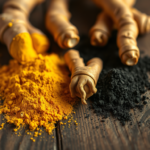

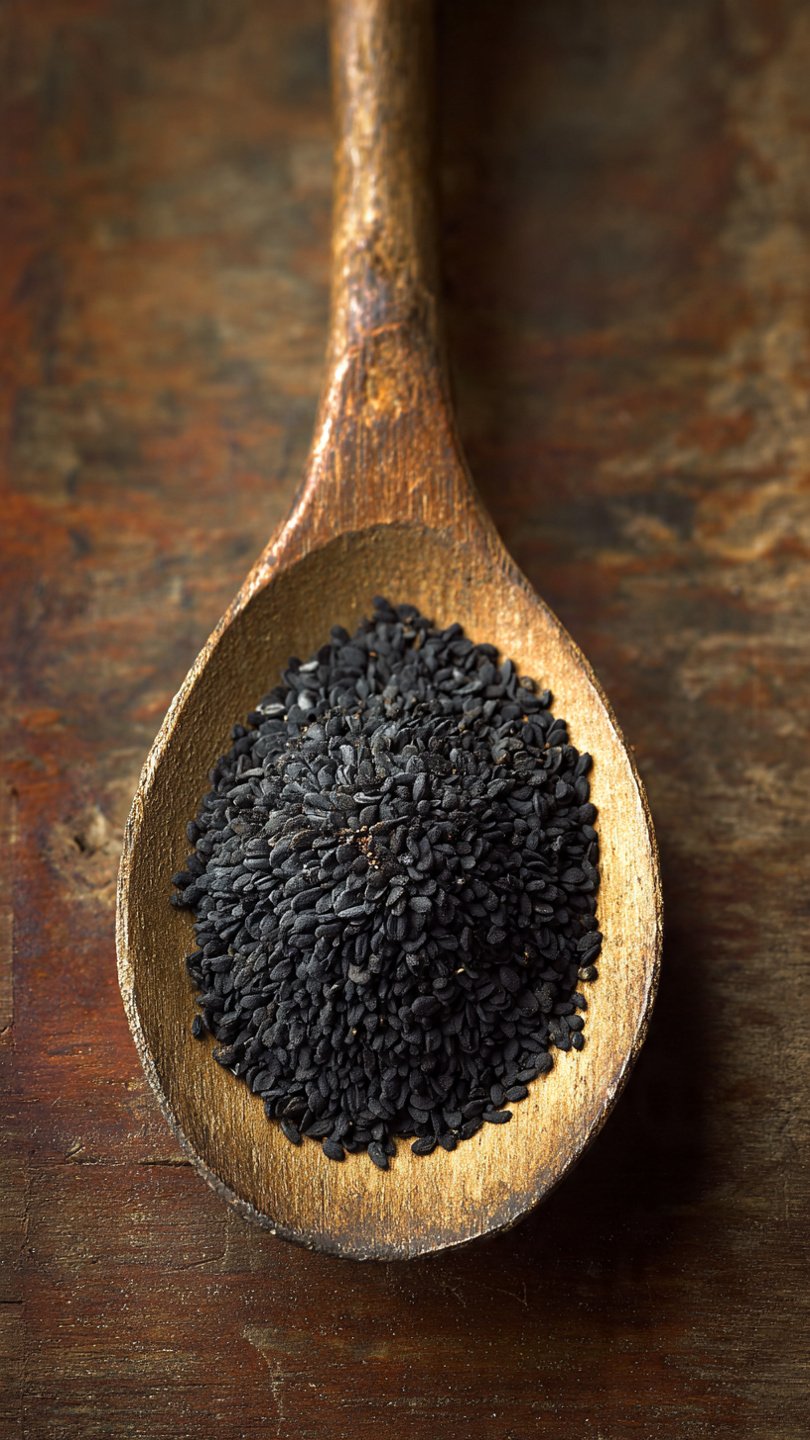
Black seed, also known as Kalonji or Nigella sativa, is one of those remedies that seems to appear everywhere once you start looking for it. Revered in traditional medicine systems across the Middle East, North Africa and South Asia, black seed has been used for centuries as a daily protector — something taken not for quick relief, but for long-term resilience.
If you’re new to black seed, this guide explains what it is, why it matters, how it may support health, and what precautions to keep in mind, in a clear and grounded way.
A seed with a powerful history
Black seed has a long history of use in Unani, Ayurvedic and traditional Islamic medicine. It was valued as a general tonic — something believed to support the body during times of illness, weakness or imbalance.
Rather than targeting one specific issue, black seed was traditionally used to strengthen the body’s natural defences and support overall vitality. This broad, protective role is why it has remained relevant across cultures and generations.
What makes black seed unique
The health-supporting properties of black seed are largely linked to a naturally occurring compound called thymoquinone, along with a range of antioxidants, essential fatty acids and plant nutrients.
These compounds are widely studied for their potential role in supporting immune function, calming inflammation and protecting cells from oxidative stress. Together, they help explain why black seed is often described as supportive and protective rather than stimulating.
Why people use black seed today
Modern research has explored black seed for a wide range of wellness applications.
Many people use it to support immune health, particularly during times when the body feels run down or under pressure. Others take it for digestive comfort, respiratory support or to help maintain balanced inflammatory responses.
There is also growing interest in black seed’s role in metabolic health, including blood sugar and cholesterol balance, as well as skin and joint comfort. While research is still evolving, its traditional reputation as a whole-body supporter continues to attract attention.
How black seed supports the body
Black seed is often described as protective because it works across multiple systems at once.
Research suggests it may help regulate inflammatory pathways, support antioxidant defences and encourage balanced immune responses. Rather than overstimulating the immune system, black seed appears to support its natural regulation — helping the body respond appropriately when challenged.
This wide-ranging support is why black seed has traditionally been used as a daily supplement rather than an occasional remedy.
Safety, precautions and mindful use
Black seed is generally well tolerated when used in moderate amounts. Some people may experience mild digestive discomfort, particularly when first introducing it.
Those who are pregnant or breastfeeding should avoid black seed supplements unless advised by a healthcare professional. Caution is also advised for individuals taking medications that affect blood sugar, blood pressure or immune function, as black seed may influence these systems.
As with all supplements, quality and sourcing matter.
Choosing a quality black seed supplement
Research typically focuses on whole black seed or cold-pressed black seed oil, with attention given to purity and active compound content.
Look for products that are clearly labelled, responsibly sourced and free from unnecessary additives. Transparency helps ensure you’re getting the benefits traditionally associated with this ancient seed.
A grounded perspective
Black seed is not a cure-all, and it’s not intended to replace medical care. Its value lies in consistent, long-term support — helping protect the body, support balance and encourage resilience over time.
That steady, protective role is exactly why it has been trusted for generations.
In a world where wellness often feels complicated, black seed offers a reminder that some of the most effective support comes from simple, time-tested sources. Ancient in origin and increasingly explored by modern science, it continues to earn its place as a foundation of natural wellbeing.
BearBasix | Be well, Be whole, Be you.
References & Further Reading
-
- National Center for Biotechnology Information (PubMed Central)
Reviews on Nigella sativa, thymoquinone and immune support
https://www.ncbi.nlm.nih.gov/pmc/
- National Center for Biotechnology Information (PubMed Central)
-
- MDPI – Nutrients & Plants Journals
Peer-reviewed research on black seed, inflammation and metabolic health
https://www.mdpi.com
- MDPI – Nutrients & Plants Journals
-
- World Health Organization – Monographs on Medicinal Plants
Traditional uses and safety considerations
https://www.who.int
- World Health Organization – Monographs on Medicinal Plants
-
- WebMD
Black seed overview, uses and precautions
https://www.webmd.com/vitamins/ai/ingredientmono-901/black-seed
- WebMD