
The Power of Aloe Vera – Nature’s Silent Healer
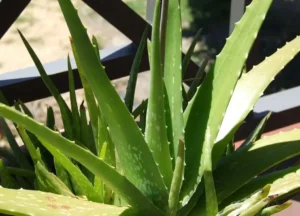
Welcome to BearBasix, where we celebrate nature’s most remarkable gifts — and today, we’re shining a spotlight on Aloe vera (Aloe barbadensis), often called the “silent healer.” This succulent plant has been used for thousands of years across cultures, and modern science is increasingly validating its profound, multifaceted health benefits. Let’s explore how Aloe vera supports digestion, skin health, immunity, and more — and why it’s a powerful ally in your natural wellness toolkit.
What Is Aloe Vera?
Aloe barbadensis Miller, commonly known as Aloe vera, is a perennial succulent native to dry, hot regions like North Africa and the Arabian Peninsula. MDPI+1
The gelatinous inner leaf contains a rich matrix of bioactive compounds — including polysaccharides, phenolic acids, vitamins, minerals, and enzymes. PubMed+2MDPI+2
These constituents give Aloe its well-known healing, anti-inflammatory, and antioxidant properties.
A Brief Cultural & Historical Journey
-
Ancient Civilizations: Aloe vera has a storied history. It was praised in ancient Egypt (sometimes called the “plant of immortality”), used by Greek and Roman healers, and integrated into traditional medicine across Asia. NCCIH+1
-
Traditional Medicine: In Ayurveda, for example, Aloe (known as Kathalai) has been used for skin conditions, digestion, and immune support. Pharmacognosy Journal
-
Modern Use: Today, Aloe vera thrives in skincare, dietary supplements, and holistic wellness practices, bridging traditional wisdom and scientific research.
Science-Backed Health Benefits of Aloe Vera
At BearBasix, we champion evidence-informed natural health. Here’s what science tells us about Aloe vera:
-
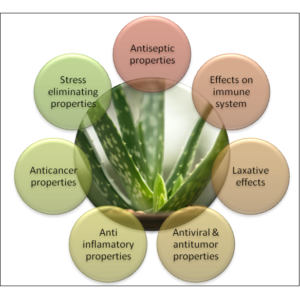
Anti-Inflammatory & Immune Support
Aloe contains polysaccharides (like acemannan) that modulate immune responses and reduce inflammation. MDPI+1 -
Antioxidant Powerhouse
Rich in vitamins (A, C, E), phenols, and flavonoids, Aloe helps neutralize free radicals and supports cellular health. MDPI+1 -
Skin & Wound Repair
Topically, Aloe gel has been shown to promote wound healing, reduce burn recovery time, and support skin regeneration. Medical News Today -
Digestive Health
Oral intake of Aloe (especially gel) may soothe the digestive tract, support regularity, and improve gastrointestinal comfort. NCCIH -
Blood Sugar Regulation
Some human studies suggest Aloe may help reduce fasting blood glucose and HbA1c levels in people with diabetes. NCCIH+1 -
Antimicrobial Activity
Aloe barbadensis extracts have demonstrated antibacterial and antiviral effects in laboratory studies. PubMed -
Heart & Liver Protection
Preclinical studies suggest Aloe’s bioactive compounds may offer hepatoprotective (liver-protecting) and cardiovascular benefits. PubMed
How Aloe Vera Works — Inside the Leaf
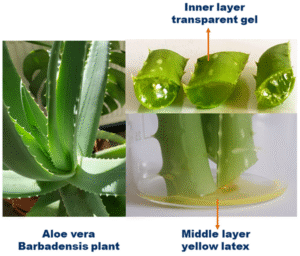
The magic of Aloe lies in its complex chemistry. The inner gel of the leaf is loaded with:
-
Polysaccharides, especially acemannan, which support tissue repair and immune modulation. MDPI
-
Anthraquinones (like aloin and emodin) — these provide antimicrobial—and sometimes laxative—activity. PubMed
-
Vitamins & Minerals, such as zinc, magnesium, calcium, and vitamins A, C, E, and some B vitamins. MDPI
-
Enzymes (e.g., amylase, peroxidase) and plant hormones that contribute to its restorative effects. MDPI
Encouraging You to Use Aloe — Safely and Wisely
At BearBasix, we believe in empowering you with natural strength — and responsibility. Here are a few friendly, professional tips for using Aloe vera effectively:
-
Choose quality: Opt for products (or extract) derived from Aloe barbadensis Miller, known for its bioactive richness.
-
Start small: If taking orally, begin with a low dose. Monitor how your body responds.
-
Consistency matters: Many of Aloe’s benefits, like digestion or immune support, build over time — regular use is key.
-
Pair with care: Aloe works well alongside a balanced diet, hydration, and mindful wellness practices.
-
Consult when needed: If you have health concerns (e.g., blood sugar issues, gut conditions) or you’re on medication, speak to a healthcare professional before beginning any supplement.
The Future of Aloe in Wellness & Science
Research into Aloe vera is ongoing and exciting:
-
Scientists are exploring novel delivery systems, such as hydrogels, to enhance Aloe’s healing potential in wound care.
-
New clinical trials are examining how Aloe polysaccharides could support autoimmune conditions and skin regeneration. MDPI+1
-
There’s growing interest in sustainable cultivation and high-quality extraction, helping make Aloe-based wellness more accessible globally.
Conclusion
Aloe vera (Aloe barbadensis) is more than just a plant — it’s a time-tested, scientifically supported gift from nature. With its powerful mix of antioxidants, polysaccharides, and vitamins, Aloe supports your skin, digestion, immune system, and more. At BearBasix, we believe in harnessing that potential with purity, integrity, and respect for both tradition and science.
Embrace Aloe as a gentle, effective companion on your wellness path — and always pair its use with smart, informed choices.